
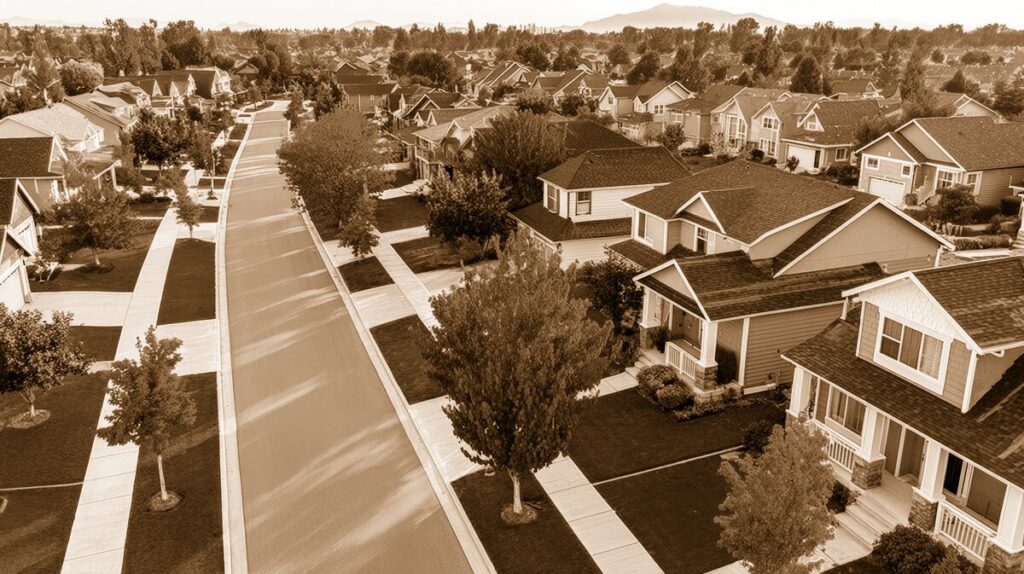
Discovering Belmont Park: Where Long Beach History Meets Coastal Charm
Nestled just east of the picturesque Alamitos Bay and stretching north of Livingston Drive, Belmont Park is one of Long Beach’s most cherished and storied neighborhoods. Beloved for its tree-lined avenues, vintage architecture, and beachy vibes, Belmont Park offers a unique blend of coastal relaxation and urban connection. For visitors and longtime locals alike, this enclave holds a tapestry of tales—woven through its streets, people, and landmarks—that makes it distinct among Long Beach’s classic neighborhoods.
The Origins: Naming Belmont Park
Belmont Park traces its name to the word “Belmont,” a term often associated with “beautiful mountain”—though here, it’s more about the elevated view and scenic allure than any peaks, as the area slopes gently toward the sandy stretches of Belmont Shore and the blue waters beyond. Early city planners drew inspiration from the neighborhood’s rolling terrain and proximity to the coastline, conjuring an evocative name that promised both grandeur and tranquillity.
The “Park” in its name pays homage to the lush greenery and manicured public spaces that became integral to the community’s identity during the early 20th century. The neighborhood was officially established in the 1920s and 1930s, during an era of rapid development throughout Long Beach, as the city’s population swelled with new residents drawn by Southern California’s sunshine and economic opportunities.
Key Historical Milestones
The Growth of a Coastal Community
- 1920s-1930s: Belmont Park’s earliest homes were built during these decades, many reflecting the Spanish Revival and Mediterranean architectural styles popular at the time. Characteristic red-tile roofs and stucco facades still grace many of the houses found along streets like Prospect Avenue and Belmont Avenue.
- Post-War Boom: After World War II, the neighborhood grew as returning veterans settled in Long Beach and new, cozy postwar bungalows rose alongside original structures. The area’s welcoming, community-oriented layout—with broad sidewalks and pocket parks—fostered a family-friendly atmosphere that endures to this day.
- 1960s-1980s: This period saw modernization and the addition of apartment buildings, introducing greater housing variety while preserving the neighborhood’s historic core.
Iconic Landmarks and Institutions
Belmont Park’s unique brand of history is told through its landmarks—buildings and parks that anchor everyday life while serving as touchstones to the past.
- Livingston Drive Park: Tucked at the neighborhood’s northern edge, this serene park with its leafy canopies provides a neighborhood gathering space and traces its roots to the early civic planning that prioritized green space.
- Rogers Middle School: Located on Monrovia Avenue just a short walk from Belmont Park’s borders, this historic institution has educated generations of local children and anchored the community.
- St. Bartholomew’s Church: With its beautiful Spanish architecture, this enduring house of worship on East Broadway is both a spiritual and architectural anchor in the area.
The Streets That Tell Stories
Walking the winding streets of Belmont Park, you’ll find yourself immersed in living history. A stroll down Quincy Avenue or Winant Street reveals exquisitely maintained homes displaying period details—arched doorways, built-in nooks, and lush, mature gardens.
On Euclid Avenue, tall palms line the street, echoing Belmont Park’s legacy as an idyllic retreat. Neighbors greet one another on leisurely afternoon dog walks, or gather for coffee at one of the corner cafes just minutes away near 2nd Street, a bustling corridor bridging Belmont Park with Belmont Shore.
Evolving With Time: From Beach Community to Vibrant Neighborhood
Belmont Park has gracefully evolved over the decades. While the architecture preserves the romance of yesteryear, the community is anything but stuck in the past.
- Many classic homes have been lovingly restored, maintaining their historical character while introducing modern comforts.
- The neighborhood enjoys close access to the rejuvenated Colorado Lagoon, a beloved spot for swimming, kayaking, or birdwatching—a testament to Long Beach’s environmental stewardship and Belmont Park’s ongoing connection to nature.
- Annual events, such as neighborhood yard sales, garden tours, and summer block parties, foster deep bonds among residents and keep traditions alive.
What Makes Belmont Park Special Today
Residents often say that Belmont Park’s most special quality is its blend of old and new—where front porch living meets a forward-thinking spirit. It’s the kind of place where kids ride bikes down quiet streets, neighbors check in on each other, and the ocean breeze is never more than a couple of blocks away.
For newcomers, Belmont Park offers a warm, tight-knit community where everyone feels at home. For longtime locals, its ever-present history brings comfort and pride. Just as it has for nearly a century, the heart of Belmont Park beats strong—rooted in heritage, enriched by the present, and looking ahead to a bright future along the Long Beach coast.